
Your Cart is Empty










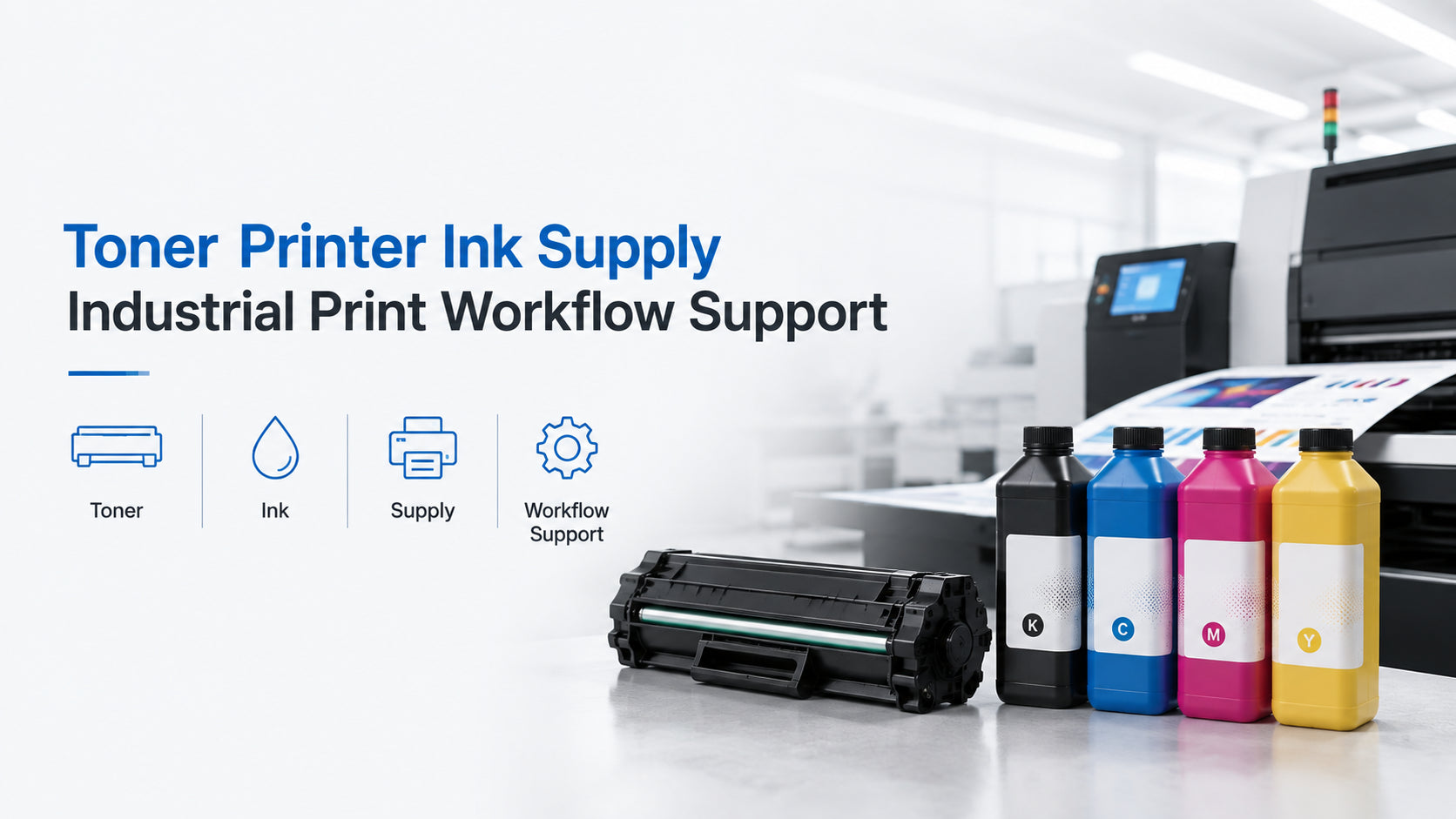
Toner printer ink is a term commonly used to describe the fine powder-based printing material used in laser printing systems. Unlike liquid ink used in inkjet printers, toner is a dry, electrostatically charged powder that bonds to paper using heat and pressure, producing sharp, durable, and high-speed print output.
Super Ink supplies printing consumables intended to support stable performance, sharp output quality, and efficient day-to-day printing operations.
How Laser Printing Technology Works
Laser printers operate through a highly controlled electrostatic process that converts digital data into printed pages.
The process works in a structured sequence:
- The printer receives digital print data
- A laser beam creates an electrostatic image on a drum
- Toner particles are attracted to charged areas
- Paper passes through the transfer unit
- Heat and pressure fuse toner onto the paper
Because of this system, toner printer ink is designed to maintain consistent particle size, smooth flow behavior, and strong charge response for accurate printing results.
What Is Inside Toner Systems?
Toner cartridges contain multiple engineered components designed for precision printing performance.
Toner Powder Reservoir Stores the fine powder used during printing cycles.
Imaging Drum Unit Receives the electrostatic image and transfers toner onto paper.
Developer Roller Controls toner movement toward the drum surface.
Fuser Assembly Uses heat and pressure to permanently bond toner to paper.
Sealing Components Prevent leakage and maintain powder stability.
Each part ensures that toner printer ink performs consistently during high-speed and high-volume printing tasks.
Types of Toner Printing Systems
Different laser printers use different toner configurations depending on usage requirements.
- Standard Toner Cartridges: Suitable for everyday printing, lower initial cost, ideal for home or light office use.
- High-Yield Toner Cartridges: Higher toner capacity, designed for frequent printing, lower cost per printed page.
- All-in-One Cartridge Systems: Toner and drum combined, easy installation and replacement, common in compact printers.
- Separate Drum Systems: Drum and toner replaced independently, more cost-efficient for heavy usage, better for enterprise environments.
The performance of toner printer ink depends heavily on cartridge design, compatibility, and internal printer calibration.
Factors That Affect Print Quality
Laser print output depends on multiple technical variables working together.
Key factors include:
- Toner particle consistency
- Drum surface condition
- Heat fusion accuracy
- Electrostatic charge strength
- Toner distribution balance
- Printer calibration settings
If these factors are unstable, users may experience:
- Faded prints
- Streaking or banding
- Uneven text density
- Background shading
- Smudging or patchy output
High-quality toner printer ink may help support more stable performance across these variables.
Common Toner-Related Issues
Even advanced laser printers can experience performance issues over time.
Common problems include:
- Toner clumping due to humidity
- Uneven toner distribution
- Cartridge leakage
- Light or inconsistent print output
- Internal toner buildup
Using reliable toner printer ink and proper handling practices can help reduce these issues.
Maintenance for Better Printing Performance
Proper maintenance improves both printer lifespan and output quality.
Helpful practices:
- Store toner in a cool, dry environment
- Avoid shaking cartridges excessively
- Clean printer interiors periodically
- Replace cartridges when print fades appear
- Use compatible cartridges as recommended for the printer model
These steps help maintain smooth operation and stable output quality.
How to Choose the Right Toner
Selecting the correct toner cartridge improves efficiency and reduces printing interruptions.
Consider the following:
- Printer model compatibility
- Monthly print volume
- Standard vs high-yield requirements
- Black-only or color printing needs
- Drum-integrated or separate systems
A properly selected toner printer ink solution ensures consistent output and better long-term performance.
Why Toner Quality Matters
Toner composition plays a major role in final print results.
Good toner helps deliver:
- Sharp text edges
- Smooth image gradients
- Fast drying output (no smudging)
- Consistent page density
- Reliable high-volume performance
Poor-quality toner may lead to uneven results and increased printer wear over time.
FAQs
What is toner printer ink used for?
It is used in laser printers to create printed documents using fine powder and heat fusion technology.
Why is toner used instead of liquid ink?
Toner supports faster printing speeds, sharper text output, and better durability for high-volume printing.
What causes faded laser printing?
Faded output may result from low toner levels, drum wear, or uneven toner distribution.
Can humidity affect toner?
Yes, moisture can cause toner clumping and affect print quality and flow performance.
Consistent Laser Printing Performance
Toner printer ink plays a crucial role in delivering sharp text, stable document output, and efficient printing performance. With proper cartridge selection, regular maintenance, and reliable supply support from Super Ink, users can achieve stable, high-quality laser printing results for both office and professional environments.